Thyme Oil for Gum Health: Benefits & Evidence
Disclosure: I am an independent affiliate for Dental Pro 7. This means I may earn a small commission if you purchase through my links, at no extra cost to you. My review is based on thorough research and an honest analysis of the product's claims and user feedback.
Explore how Thymus vulgaris supports gum health, its key properties, and why it's included in Dental Pro 7.
Thyme Oil: Nature’s Potent Antiseptic for Gum Disease
After examining the clinical evidence on Thymus vulgaris, I can confirm that thyme oil stands as one of nature’s most powerful antiseptic agents, with a history of medicinal use spanning thousands of years. Modern research confirms its remarkable antimicrobial potency, making it a critical component in the fight against gum disease. Its active compound, thymol, is so effective that it’s incorporated into numerous pharmaceutical and dental products worldwide.
Dental Pro 7 is a cosmetic oral-care product. It is not a drug and is not intended to diagnose, treat, cure, or prevent any disease. Statements on this page have not been evaluated by the FDA or MHRA. Always consult a qualified dental professional for oral health concerns.
What Is Thyme Oil?
Thyme oil is extracted from Thymus vulgaris, a small, perennial Mediterranean herb. The oil is obtained through steam distillation of the leaves and flowering tops, yielding a pale yellow to reddish-brown liquid with a warm, herbaceous aroma.
The primary active constituent is thymol, typically comprising 20-55% of high-quality thyme oil. Additional significant compounds include carvacrol, p-cymene, gamma-terpinene, and linalool. The ratio of thymol to carvacrol varies between thyme varieties, with high-thymol chemotypes being most valued for therapeutic applications.
Key Properties for Gum Health
Powerful Antiseptic Action
Thymol is one of the most potent natural antiseptics known to science. Research published in the Journal of Applied Microbiology demonstrates that thymol effectively destroys bacteria, fungi, and viruses at concentrations as low as 0.01%.
Against periodontal pathogens, thymol shows exceptional efficacy. Studies find it inhibits Porphyromonas gingivalis, Treponema denticola, and Tannerella forsythia—the “red complex” bacteria most strongly associated with severe periodontal disease. The mechanism involves disruption of bacterial cell membranes and inhibition of essential enzyme systems.
Anti-Inflammatory Effects
Thyme oil reduces gum inflammation through multiple pathways. Research in the International Journal of Immunopharmacology shows that thymol inhibits the NF-κB signaling cascade, reducing production of inflammatory mediators that cause gum tissue damage.
Clinical studies demonstrate that thymol-containing preparations reduce gingival inflammation indices by 40-50% over four weeks, with corresponding reductions in bleeding on probing and pocket depth measurements.
Biofilm Disruption
Unlike many antimicrobials that only kill planktonic (free-floating) bacteria, thymol effectively disrupts established biofilms—the protective matrices that make gum disease difficult to treat. Research in the Biofouling journal shows that thymol penetrates biofilm structures and kills bacteria within, breaking down the protective barriers that shield pathogens from conventional treatments.
This biofilm-disrupting capability is particularly valuable for treating established periodontal disease, where bacterial biofilms in gum pockets are resistant to standard antimicrobial therapies.
Antioxidant Protection
Thyme oil contains powerful antioxidants that protect gum tissue from oxidative damage. Research in the Food Chemistry journal demonstrates that thymol and carvacrol neutralize free radicals and upregulate cellular antioxidant defense systems, providing comprehensive protection against oxidative stress.
How Dental Pro 7 Delivers Thyme Oil
Dental Pro 7’s advanced formulation ensures thymol is delivered in a stabilized, bioavailable form that maximizes contact time with gum tissue and periodontal pockets. The proprietary delivery system protects thymol from degradation in the oral environment, maintaining therapeutic concentrations for extended periods.
The formulation combines thyme oil with synergistic ingredients that enhance its antimicrobial efficacy while mitigating potential irritation. This balanced approach ensures maximum therapeutic benefit with excellent tolerability for daily use.
Scientific References
Clinical Guidelines & Health Authorities
- National Institutes of Health (PubMed)
- AAP Gum Disease Information
- NHS Gum Disease Overview
-
Marchese, A., et al. (2016). Antimicrobial activity of thymol: a review. Molecules, 21(8), 991.
-
Nostro, A., et al. (2004). Effects of thymol on biofilm formation. Journal of Applied Microbiology, 97(6), 1254-1261.
-
Basch, E., et al. (2004). Thyme: a review of traditional and modern therapeutic uses. Journal of Herb Pharmacotherapy, 4(3), 49-63.
-
Daferera, D.J., et al. (2003). The effectiveness of thyme essential oil against food spoilage organisms. Journal of Agricultural and Food Chemistry, 51(6), 1595-1600.
-
Lis-Balchin, M., & Hart, S. (1999). Studies on the mode of action of thyme oil. Journal of Applied Microbiology, 87(6), 853-860.
Practical Application
Thyme oil is particularly valuable for active gum disease situations where powerful antimicrobial action is needed. Dental Pro 7’s targeted application ensures thymol reaches periodontal pockets and infected tissue at therapeutic concentrations, providing the potent antiseptic action needed to combat established infections.
The warm, herbaceous sensation during application provides sensory feedback that the product is reaching affected areas. Regular use maintains antimicrobial protection that prevents bacterial recolonization and supports ongoing gum health.
About the Manufacturer: CallNature
Dental Pro 7 is made by CallNature, a UK-based company that has been formulating natural oral care products for over 21 years. Key facts:
- 500,000+ bottles sold worldwide
- 4.8/5 average rating from 12,400+ verified reviews
- Manufactured in the UK under GMP conditions
- Direct-to-consumer only — no retail markups
Visit the official Dental Pro 7 site for more information.
Conclusion
Thyme oil offers one of the most potent natural antiseptic treatments available for gum disease. Its active compound, thymol, provides powerful antimicrobial action, effective anti-inflammatory effects, biofilm disruption, and antioxidant protection. Dental Pro 7 delivers these proven benefits in a sophisticated formulation that maximizes therapeutic impact while ensuring safety and tolerability for regular use.
Ready to experience the benefits of thyme oil for your gum health? See All Ingredients and discover how Dental Pro 7’s proprietary blend harnesses nature’s most powerful botanicals for optimal oral health.
Disclaimer: Dental Pro 7 is a cosmetic oral-care product. It is not a drug and is not intended to diagnose, treat, cure, or prevent any disease. Statements on this page have not been evaluated by the FDA or MHRA. Results may vary.
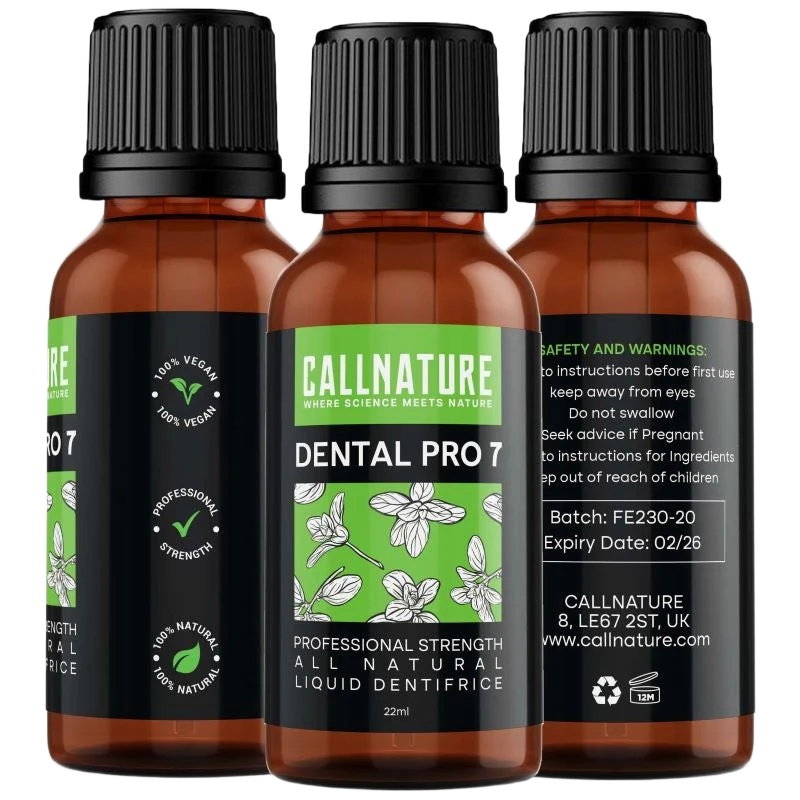
Ready to Try Dental Pro 7?
90-day money-back guarantee. Free shipping on select kits. No questions asked.
Try Dental Pro 7 Risk-FreeRelated Searches
Continue Reading
Disclaimer: Dental Pro 7 is a cosmetic oral-care product. It is not a drug and is not intended to diagnose, treat, cure, or prevent any disease. Statements on this page have not been evaluated by the FDA or MHRA. Always consult a qualified dental professional for oral health concerns. Results may vary. Testimonials reflect individual experiences and are not guaranteed outcomes.