Gum Infection Treatment: Signs and Natural Approaches
Disclosure: I am an independent affiliate for Dental Pro 7. This means I may earn a small commission if you purchase through my links, at no extra cost to you. My review is based on thorough research and an honest analysis of the product's claims and user feedback.
Learn about gum infection types, signs, and natural antimicrobial approaches to treat and prevent gum infections effectively.
Gum infections occur when harmful bacteria invade the gum tissue, causing inflammation, pain, and potentially serious complications. After analyzing the research and user experiences, I’ve found that understanding the types of gum infections, recognizing their signs, and knowing how to treat them effectively is essential for maintaining oral and overall health.
Important Medical Disclaimer
Dental Pro 7 is a cosmetic oral-care product. It is not a drug and is not intended to diagnose, treat, cure, or prevent any disease. Statements on this page have not been evaluated by the FDA or MHRA. Always consult a qualified dental professional for oral health concerns.
Types of Gum Infections
Several types of infections can affect the gum tissue:
Gingival Infections
Confined to gum tissue, caused by plaque bacteria. Presents as red, swollen, tender gums that bleed easily. Most common and easiest to treat.
Periodontal Abscess
Localized pus collection in gum tissue, typically in periodontal pockets. Causes severe pain, swelling, sensitivity to pressure, and foul taste as it drains.
Pericoronitis
Infection around partially erupted teeth, most commonly wisdom teeth. Food and bacteria trapped under gum flap cause pain, swelling, and difficulty opening mouth.
Herpetic Gingivostomatitis
Caused by herpes simplex virus, causing widespread gum inflammation, painful blisters, and ulceration. More common in children but affects adults during stress or immune suppression.
Necrotizing Periodontal Disease
A serious condition characterized by gum tissue death, severe pain, bleeding, and foul odor. More common in immunocompromised individuals and requires immediate professional treatment.
Signs and Symptoms of Gum Infections
Recognizing the signs of gum infection allows for early intervention:
Common Signs
Swollen, Red Gum Tissue
Gums appear inflamed and feel tender to the touch
Bleeding
Occurs spontaneously or with minimal stimulation during brushing
Pus & Bad Taste
Pus visible between teeth and gums, with foul taste as it drains
Persistent Bad Breath
Halitosis that does not improve with regular oral hygiene
Signs Requiring Immediate Attention
Natural Antimicrobial Approaches
Several natural approaches can help manage gum infections, particularly in their early stages:
Salt Water Rinses
Natural antiseptic that reduces inflammation. Mix half a teaspoon in warm water, swish for 30 seconds, and spit. Repeat several times daily.
Hydrogen Peroxide Rinse
Diluted 3% solution mixed with equal parts water has antimicrobial properties. Swish for 30 seconds before spitting. Never swallow.
Tea Tree Oil
Broad-spectrum antimicrobial against bacteria, fungi, and viruses. Dilute one drop in carrier oil and apply to the infected area. Never use undiluted.
Clove Oil
Contains eugenol, a natural anesthetic and antimicrobial compound. Apply with cotton swab for temporary pain relief and antimicrobial action.
Warm Compresses
Increases blood flow, reduces pain, and promotes healing. Apply to cheek over infected area for 15-20 minutes, several times daily.
Garlic
Contains allicin with natural antimicrobial properties. Crush a clove, mix with salt, and apply to affected area. Rinse thoroughly after a few minutes.
Turmeric Paste
Contains curcumin with anti-inflammatory and antimicrobial properties. Make a paste with turmeric powder and water, apply to gums, and leave for several minutes before rinsing.
How Dental Pro 7 Addresses Gum Infections
Dental Pro 7 is formulated with natural antimicrobial ingredients specifically designed to combat gum infections:
Broad-Spectrum Antimicrobial
Targets harmful bacteria, fungi, and viruses
Deep Penetration
Reaches bacteria below the gumline in infected tissue
Anti-Inflammatory
Reduces inflammation and promotes healing of damaged tissue
Lasting Protection
Provides protection against bacterial re-infection
For early-stage gum infections, Dental Pro 7 can be used as part of a comprehensive approach that includes proper oral hygiene and monitoring for signs of improvement or worsening.
Prevention Strategies
Preventing gum infections is more effective than treating them:
Brush Twice Daily
Use a soft-bristled toothbrush
Floss Daily
Remove plaque between teeth
Use Dental Pro 7
As recommended for ongoing protection
Avoid Tobacco
Avoid tobacco products
Eat a Balanced Diet
Nutrient-rich foods support gum health
Manage Health Conditions
Control diabetes and other chronic conditions
Stay Hydrated
Maintain saliva production
Regular Dental Visits
Check-ups and professional cleanings
When to Seek Professional Help
While natural approaches can help manage mild gum infections, professional treatment is essential for:
Dental professionals can provide targeted treatment including prescription antibiotics, drainage procedures, and professional cleaning to address the source of infection.
Conclusion
Gum infections require prompt attention to prevent complications and spread. By recognizing the signs early, implementing natural antimicrobial approaches, and using targeted products like Dental Pro 7, you can effectively manage many gum infections. However, professional treatment remains essential for severe or persistent infections to ensure complete resolution and prevent recurrence.
*## Clinical Guidelines & Health Authorities
Disclaimer: This article is for informational purposes only and does not constitute medical advice. Gum infections can become serious if left untreated. Always consult with a qualified dental or medical professional for diagnosis and treatment of gum infections. Seek emergency care for severe symptoms. Individual results may vary.*
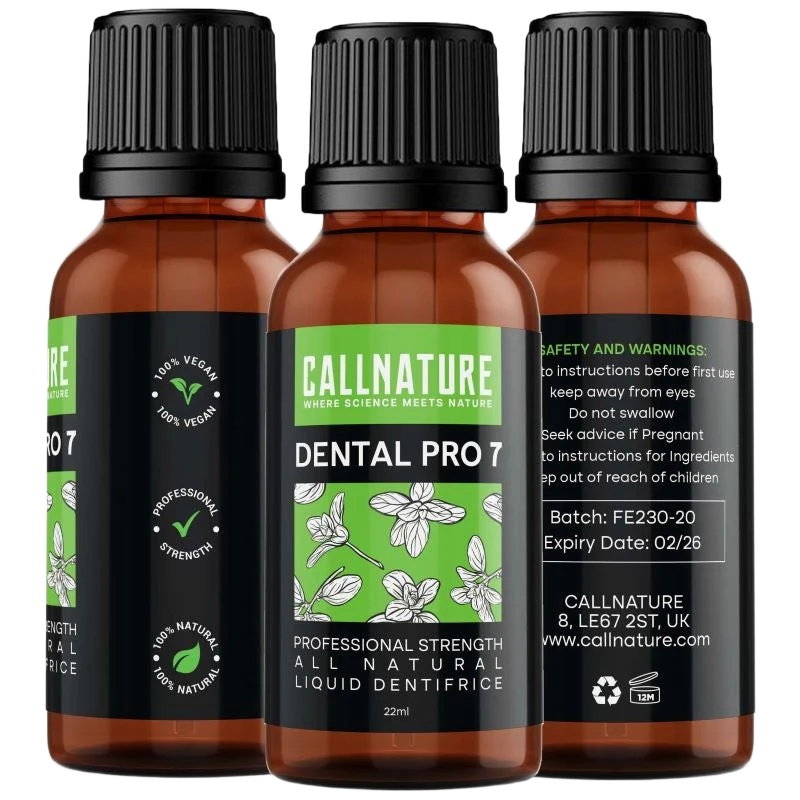
Ready to Try Dental Pro 7?
90-day money-back guarantee. Free shipping on select kits. No questions asked.
Try Dental Pro 7 Risk-FreeRelated Searches
Disclaimer: Dental Pro 7 is a cosmetic oral-care product. It is not a drug and is not intended to diagnose, treat, cure, or prevent any disease. Statements on this page have not been evaluated by the FDA or MHRA. Always consult a qualified dental professional for oral health concerns. Results may vary. Testimonials reflect individual experiences and are not guaranteed outcomes.