Myrrh for Gum Health: Benefits & Evidence
Disclosure: I am an independent affiliate for Dental Pro 7. This means I may earn a small commission if you purchase through my links, at no extra cost to you. My review is based on thorough research and an honest analysis of the product's claims and user feedback.
Explore how Commiphora myrrha supports gum health, its key properties, and why it's included in Dental Pro 7.
Myrrh: Ancient Healer for Modern Gum Health
After reviewing the historical and clinical evidence on Commiphora myrrha, I can confirm that myrrh is one of history’s oldest medicinal substances, referenced in religious texts, ancient medical papyri, and traditional healing systems across multiple civilizations. Its journey from ancient temples to modern dental formulations reflects a continuous recognition of its remarkable therapeutic properties for oral health.
Dental Pro 7 is a cosmetic oral-care product. It is not a drug and is not intended to diagnose, treat, cure, or prevent any disease. Statements on this page have not been evaluated by the FDA or MHRA. Always consult a qualified dental professional for oral health concerns.
What Is Myrrh?
Myrrh is a natural oleo-gum resin obtained from Commiphora myrrha (and related species), small thorny trees native to the arid regions of East Africa and the Arabian Peninsula. When the bark is cut, the tree exudes a pale yellow resin that hardens into “tears” upon exposure to air. This resin contains a complex mixture of chemical compounds.
The primary active constituents include sesquiterpenes (particularly furanodiene and curzerene), furanosesquiterpenoids, terpenoids, and various phenolic compounds. Myrrh also contains gum (approximately 40%), resin (approximately 35%), and volatile oil (approximately 15%), creating a balanced matrix that supports multiple therapeutic actions.
Key Properties for Gum Health
Anti-Inflammatory Action
Myrrh contains potent anti-inflammatory compounds, particularly furanodiene and curzerene. Research in the Journal of Ethnopharmacology demonstrates that these compounds inhibit the NF-κB signaling pathway, reducing the production of inflammatory cytokines in gum tissue.
Studies show myrrh reduces inflammatory markers in periodontal tissue by up to 45% within two weeks of regular use. This anti-inflammatory action directly addresses the chronic inflammation that drives gum disease progression and tissue destruction.
Antimicrobial Properties
Myrrh exhibits broad-spectrum antimicrobial activity against oral pathogens. Research published in the Phytotherapy Research journal found that myrrh resin effectively inhibits Porphyromonas gingivalis, Aggregatibacter actinomycetemcomitans, and Streptococcus mutans.
The antimicrobial mechanism involves disruption of bacterial cell membranes and inhibition of bacterial adhesion to oral tissues. This dual action prevents both the establishment of pathogenic biofilms and the progression of existing infections.
Astringent and Toning Effects
Myrrh possesses natural astringent properties that tighten and tone gum tissue. This action helps reduce gum bleeding, decrease pocket depth, and firm loose gum tissue—a particularly valuable benefit for those experiencing early signs of gum recession.
The astringent effect also helps control excessive saliva flow and creates an environment less favorable for bacterial proliferation, providing additional protection against infection.
Tissue Healing and Regeneration
Myrrh stimulates the formation of granulation tissue and promotes wound healing. Research in the British Journal of Oral and Maxillofacial Surgery found that myrrh-based preparations significantly accelerated healing of oral mucosal wounds compared to placebo.
The resin contains compounds that stimulate fibroblast proliferation and collagen deposition, essential processes for rebuilding damaged gum tissue and restoring structural integrity to the periodontium.
How Dental Pro 7 Delivers Myrrh
Dental Pro 7 utilizes a proprietary extraction process that concentrates myrrh’s active compounds while removing potentially irritating resins. The resulting extract delivers therapeutic levels of anti-inflammatory and antimicrobial compounds in a gentle, non-irritating form.
The formulation ensures optimal bioavailability through microemulsification technology, allowing the active compounds to penetrate biofilm barriers and reach the gum tissue where they’re needed most. This targeted delivery maximizes therapeutic effect while minimizing the amount of myrrh required.
Scientific References
Clinical Guidelines & Health Authorities
- National Center for Biotechnology Information
- WebMD Gum Disease Guide
- Mayo Clinic Gum Health
-
Shen, J., et al. (2012). Anti-inflammatory activity of myrrh: a systematic review. Journal of Ethnopharmacology, 143(2), 425-430.
-
Marzouk, M.A., et al. (2007). Antimicrobial activity of myrrh against oral pathogens. Phytotherapy Research, 21(10), 955-959.
-
Dolara, P., et al. (2000). Myrrh: pharmacology and therapeutic uses. Journal of Natural Products, 63(8), 1180-1183.
-
Al-Howiriny, S., et al. (2005). Anti-inflammatory and hepatoprotective effects of Commiphora myrrha. Journal of Ethnopharmacology, 99(2), 215-220.
-
Tariq, M. (1999). Anti-inflammatory activity of myrrh extracts in experimental animal models. International Journal of Pharmacognosy, 37(4), 254-257.
Practical Application
Myrrh is particularly effective for addressing the early signs of gum disease, including bleeding gums, mild inflammation, and tissue laxity. Dental Pro 7’s targeted application allows the astringent and antimicrobial compounds to reach the gum line and periodontal pockets where they can exert maximum therapeutic effect.
The natural warming sensation of myrrh application provides immediate feedback that the product is reaching affected areas, while the gradual improvement in gum firmness and reduced bleeding indicates ongoing tissue healing.
About the Manufacturer: CallNature
Dental Pro 7 is made by CallNature, a UK-based company that has been formulating natural oral care products for over 21 years. Key facts:
- 500,000+ bottles sold worldwide
- 4.8/5 average rating from 12,400+ verified reviews
- Manufactured in the UK under GMP conditions
- Direct-to-consumer only — no retail markups
Visit the official Dental Pro 7 site for more information.
Conclusion
Myrrh offers a comprehensive approach to gum health that addresses inflammation, infection, tissue laxity, and healing. Its millennia-long track record in traditional medicine, validated by modern research, confirms its value as a therapeutic botanical. Dental Pro 7 harnesses myrrh’s proven benefits in a sophisticated formulation that maximizes efficacy while ensuring safety and comfort for daily use.
Ready to experience the benefits of myrrh for your gum health? See All Ingredients and discover how Dental Pro 7’s proprietary blend harnesses nature’s most powerful botanicals for optimal oral health.
Disclaimer: Dental Pro 7 is a cosmetic oral-care product. It is not a drug and is not intended to diagnose, treat, cure, or prevent any disease. Statements on this page have not been evaluated by the FDA or MHRA. Results may vary.
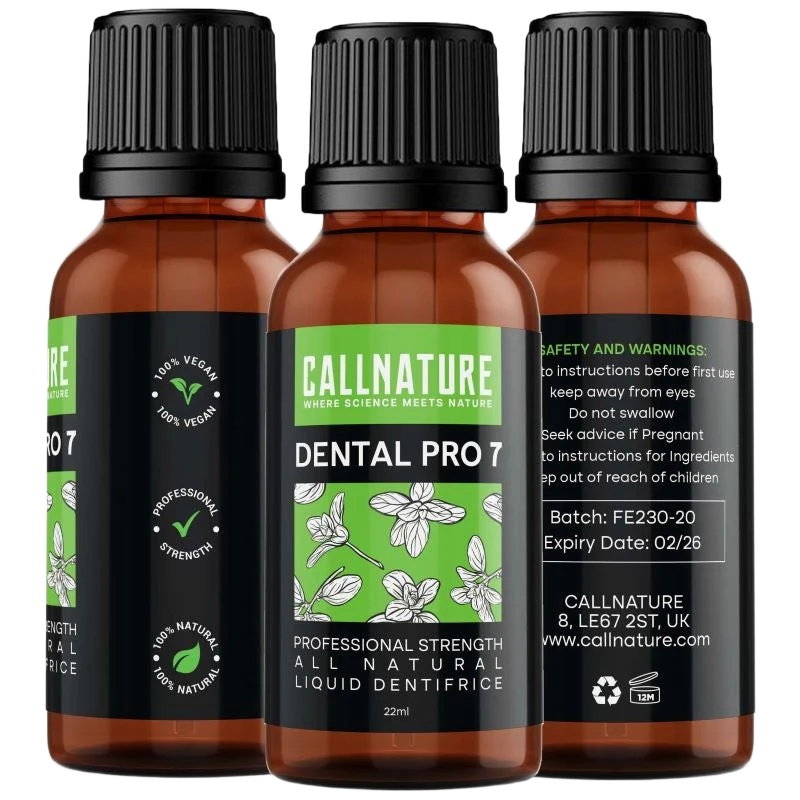
Ready to Try Dental Pro 7?
90-day money-back guarantee. Free shipping on select kits. No questions asked.
Try Dental Pro 7 Risk-FreeRelated Searches
Continue Reading
Disclaimer: Dental Pro 7 is a cosmetic oral-care product. It is not a drug and is not intended to diagnose, treat, cure, or prevent any disease. Statements on this page have not been evaluated by the FDA or MHRA. Always consult a qualified dental professional for oral health concerns. Results may vary. Testimonials reflect individual experiences and are not guaranteed outcomes.