Periodontitis Natural Remedy: Managing Advanced Gum Disease
Disclosure: I am an independent affiliate for Dental Pro 7. This means I may earn a small commission if you purchase through my links, at no extra cost to you. My review is based on thorough research and an honest analysis of the product's claims and user feedback.
Learn about periodontitis stages, symptoms, and natural management. Discover when to see a dentist and support gum health.
Periodontitis is a more serious form of gum disease that extends beyond the gum tissue to affect the bone and connective structures that support your teeth. While it cannot be fully reversed like gingivitis, natural approaches can play an important role in managing the condition, slowing progression, and supporting overall gum health.
Important Medical Disclaimer
Dental Pro 7 is a cosmetic oral-care product. It is not a drug and is not intended to diagnose, treat, cure, or prevent any disease. Statements on this page have not been evaluated by the FDA or MHRA. Periodontitis requires professional dental care. Always consult a qualified dental professional.
Understanding Periodontitis
Periodontitis develops when untreated gingivitis allows bacteria to penetrate deeper into the gum tissue and bone. The body’s immune response to these bacteria, combined with bacterial toxins, begins to break down the bone and connective tissue that hold teeth in place. Without treatment, teeth may loosen and eventually need to be extracted.
The Critical Difference from Gingivitis
Gingivitis vs. Periodontitis
Gingivitis
Affects only the gum tissue and is completely reversible. Does not cause permanent damage to tooth-supporting structures.
Periodontitis
Involves destruction of bone and connective tissue and is not fully reversible. Can lead to tooth loss if left untreated.
Stages and Severity of Periodontitis
Periodontitis is classified into stages based on severity and complexity:
Stage I: Initial Periodontitis
Pocket depths of 4-5 mm. Early bone loss visible on X-rays. Mild gum recession beginning. Often discovered during routine dental examination.
Stage II: Moderate Periodontitis
Pocket depths of 5-6 mm. Moderate bone loss. Visible gum recession. Teeth may begin to feel slightly loose with persistent bad breath.
Stage III: Severe Periodontitis
Pocket depths greater than 6 mm. Significant bone loss. Visible gum recession exposing tooth roots. Teeth become noticeably loose.
Stage IV: Advanced Periodontitis
Complete loss of support for multiple teeth. Teeth shift or become very loose. Significant bone loss throughout the jaw. Often requires extraction.
Symptoms of Periodontitis
Natural Management Options
While professional treatment is essential for periodontitis, natural approaches can complement conventional care and support gum health:
1. Enhanced Oral Hygiene Protocol
Brushing and flossing become even more critical with periodontitis. Use a soft-bristled toothbrush and gentle technique to avoid further irritating damaged gum tissue. Consider an electric toothbrush with a pressure sensor to ensure you are not brushing too hard.
2. Antimicrobial Rinses
Natural antimicrobial rinses can help control bacterial levels in the mouth. Solutions containing tea tree oil, hydrogen peroxide (diluted), or herbal extracts can reduce bacterial load and help manage inflammation between professional treatments.
3. Nutritional Support
Vitamin C
Supports collagen production and gum tissue integrity
Vitamin D
Essential for bone health and immune regulation
Omega-3 Fatty Acids
Helps modulate inflammation throughout the body
Coenzyme Q10
Provides cellular energy and supports gum tissue health
Zinc
Supports immune function and wound healing
4. Stress Management
Chronic stress can worsen gum disease by suppressing immune function and increasing inflammation. Stress management techniques such as meditation, exercise, and adequate sleep can support your body’s ability to manage periodontal disease.
5. Targeted Supplements
Probiotics
Promote beneficial oral bacteria
Curcumin
Powerful anti-inflammatory properties
Vitamin E
Antioxidant supporting tissue repair
Green Tea Extract
Rich in catechins with anti-inflammatory benefits
6. Salt Water Rinses
Warm salt water rinses can help reduce inflammation and promote healing of gum tissue. The osmotic effect of salt water draws fluid from swollen tissue and creates an environment less favorable to harmful bacteria.
How Dental Pro 7 Supports Periodontitis Management
Penetrates Below the Gumline
Reaches deep pockets where harmful bacteria harbor
Reduces Harmful Bacteria
Targets bacterial populations that drive disease progression
Soothes Inflamed Tissue
Natural anti-inflammatory ingredients calm irritated gums
Supports Healing
Promotes recovery of damaged gum tissue
Dental Pro 7 is not a substitute for professional periodontal treatment, but it can be a valuable addition to your daily oral care routine, helping to manage bacterial levels and support gum health between dental visits.
When to See a Dentist
Professional treatments for periodontitis may include:
- Scaling and root planing (deep cleaning)
- Antibiotic therapy (local or systemic)
- Surgical interventions such as flap surgery or bone grafting
- Regular maintenance cleanings every 3-4 months
The Importance of Professional Care
While natural approaches are valuable for supporting gum health, periodontitis is a serious condition that typically requires professional intervention to prevent further bone loss and tooth loss. The goal of natural management is to complement professional treatment, not replace it.
Working with a dental professional ensures that:
- The severity of your condition is accurately assessed
- Appropriate treatment is provided
- Progress is monitored over time
- Complications are identified and addressed early
Periodontitis requires a comprehensive approach that combines professional dental care with natural management strategies. While the condition cannot be fully reversed, consistent treatment can slow progression, manage symptoms, and preserve your teeth and gum health for years to come. Early detection and intervention remain the most important factors in achieving successful outcomes.
*## Clinical Guidelines & Health Authorities
Disclaimer: This article is for informational purposes only and does not constitute medical advice. Periodontitis is a serious dental condition that requires professional diagnosis and treatment. Always consult with a qualified dental professional for personalized care recommendations. Individual results may vary.*
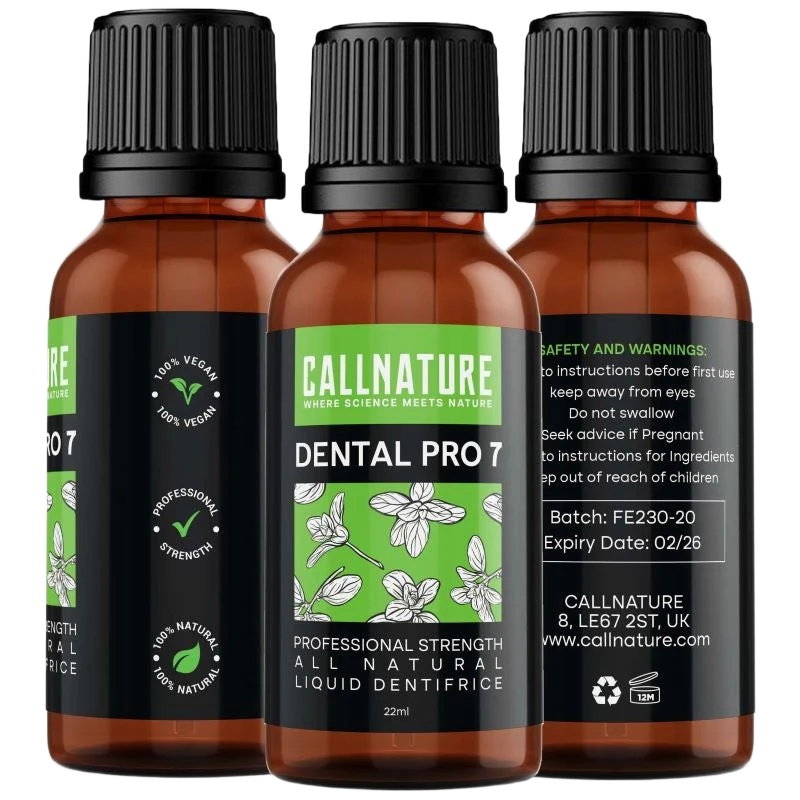
Ready to Try Dental Pro 7?
90-day money-back guarantee. Free shipping on select kits. No questions asked.
Try Dental Pro 7 Risk-FreeRelated Searches
Disclaimer: Dental Pro 7 is a cosmetic oral-care product. It is not a drug and is not intended to diagnose, treat, cure, or prevent any disease. Statements on this page have not been evaluated by the FDA or MHRA. Always consult a qualified dental professional for oral health concerns. Results may vary. Testimonials reflect individual experiences and are not guaranteed outcomes.